
The New Language of Farming: Connecting Agribusiness with Sustainability at Palora-Kenya

Across Africa, agriculture is steadily transforming, from traditional farming to innovative systems rooted in sustainability and regeneration. At the heart of this transformation are initiatives that merge agribusiness with environmental stewardship, redefining how food is grown, traded, and sustained.
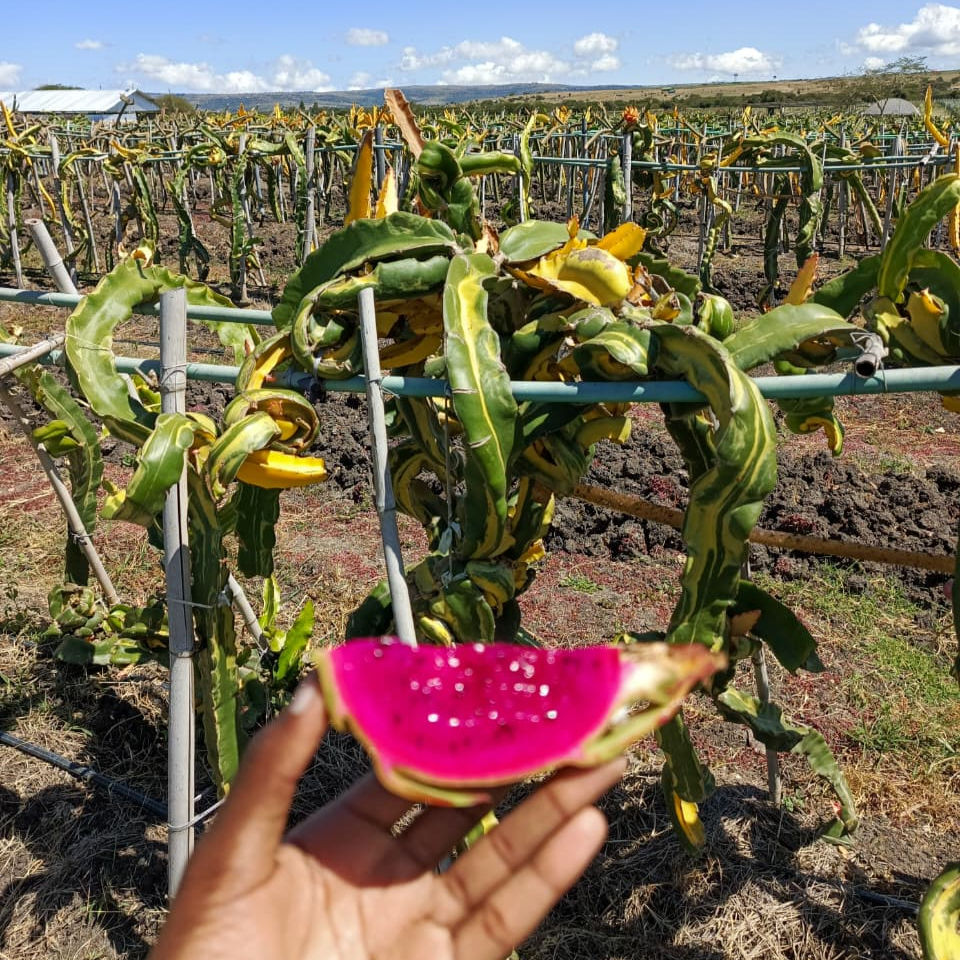
One of these inspiring examples is Palora-Kenya, a farm in Isinya that has positioned itself as a hub for regenerative agriculture and sustainable agribusiness. During a recent learning visit, the team at Palora-Kenya shared practical insights into the cultivation of dragon fruit, garlic, and onions, showcasing how smart farming can support both profitability and planetary health.
The Dragon Fruit Advantage
Dragon fruit, also known as pitaya, is quickly gaining attention among farmers in Kenya and across Africa. A tropical cactus native to the Americas, it thrives in semi-arid regions with well-drained soils, making it an ideal crop for areas with erratic rainfall and rising temperatures.
Globally, there are over 40 varieties of dragon fruit, differing in color, taste, and climate adaptability. Palora-Kenya focuses on select varieties suited to local conditions, balancing quality, market demand, and sustainability.
The farm emphasizes the importance of healthy soil ecosystems and natural resource management. Dragon fruit prefers slightly acidic to neutral soils with good drainage. Poorly drained or compacted soils can lead to root rot, while proper aeration and organic matter support root health and fruit development.
Manure and Soil Enrichment
One of the most insightful lessons from Palora-Kenya was the role of organic manure in improving soil fertility and yield quality. Among various organic options, chicken manure stood out as the most effective for dragon fruit farming. It is nutrient-rich and, when properly composted, enhances soil structure, supports microbial life, and reduces dependency on synthetic fertilizers.
The farm’s regenerative approach ensures that every nutrient cycle benefits both the plant and the environment. Composting waste materials, recycling organic residue, and integrating manure management are all part of a closed-loop system that prioritizes soil health and sustainability.

Planting, Spacing, and Support Systems
Dragon fruit is a climbing cactus that requires structural support to grow upright and healthy. At Palora-Kenya, the plants are supported by metals, concrete or treated wooden posts with a circular trellis at the top to encourage branching and easy fruit harvesting.
Spacing is crucial for productivity and disease control. A spacing of 2 meters by 2 meters is commonly used to allow for adequate sunlight, air circulation, and access during maintenance and harvesting. This spacing also makes irrigation and manure application efficient, reducing competition between plants.
Propagation is done primarily through stem cuttings, ensuring that new plants retain the genetic characteristics of the parent variety. Under proper management, dragon fruit begins to flower within 12 to 18 months and reaches commercial fruiting after about two years.
Flowering, Pollination, and Watering
Dragon fruit flowers bloom at night and are pollinated by moths, bats, or through hand pollination in controlled setups. Some varieties are self-pollinating, but others require cross-pollination to achieve high fruit set and quality yields.
Despite being a cactus, dragon fruit requires regular watering — especially during dry spells and fruit development stages. However, overwatering must be avoided, as it leads to fungal infections and root decay. Mulching around the base helps retain moisture, moderate temperature, and suppress weeds, further supporting sustainable water use.

The Agribusiness Perspective
Beyond the technical aspects, Palora-Kenya is a model of how agribusiness and sustainability can coexist. The farm integrates environmental care into its business model, from organic inputs to efficient irrigation and local employment.
Sustainability, in this context, is not just about protecting the environment but also about ensuring economic resilience and community empowerment. Healthy soils yield better crops; better crops increase income; and higher income strengthens rural livelihoods.
Agribusinesses like Palora-Kenya demonstrate that profitability and sustainability can grow side by side, one feeding into the other.
Towards a Regenerative Future
The lessons from Palora-Kenya echo a larger truth: Africa’s agricultural future depends on practices that heal the land while feeding its people. As more farms embrace regenerative techniques, the continent moves closer to achieving food security that is both resilient and climate-smart.
By investing in knowledge, innovation, and sustainable farming systems, agribusinesses can become key drivers of ecological restoration and economic empowerment.
Farms like Palora-Kenya remind us that the future of agriculture lies in regeneration, giving back to the earth as much as we take.


Comments