
Beyond the Bin: Holding Companies Accountable for Waste Management in Kenya

Updated: May 2, 2025
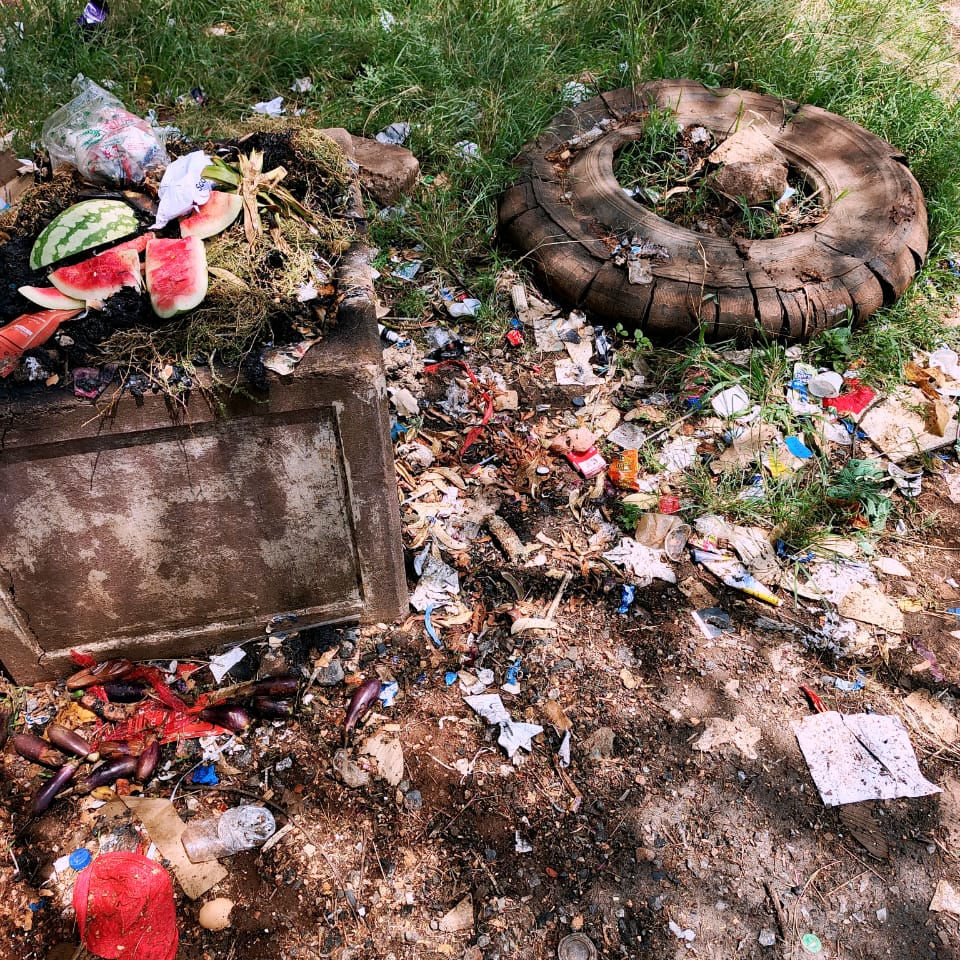
Kenya is at a critical environmental crossroads. Every day, the country generates an estimated 22,000 tonnes of solid waste, with over 60% of it being plastic and non-biodegradable materials. Nairobi alone contributes about 2,400 tonnes daily, according to the National Environment Management Authority (NEMA). Yet, only 10% of Kenya’s waste is recycled, leaving the rest to pollute rivers, clog drainage systems, and threaten wildlife.
The situation raises a critical question: Who bears responsibility for the waste that is choking our cities, villages, and oceans?
While consumers play a role, real change must begin with those who create the products, the producers. Through a bold concept called Extended Producer Responsibility (EPR), companies are now being called upon to manage the environmental impact of their products from cradle to grave.

The Current Waste Crisis in Kenya
In Kenya, waste management systems have struggled to keep pace with rapid urbanization and growing consumerism. Plastic pollution remains a major problem, Kenya consumes an estimated 400 million plastic bags annually (UNEP report, 2023), despite efforts like the 2017 plastic bag ban.
In urban areas like Nairobi, Mombasa, and Kisumu, landfills such as Dandora dumpsite are overstretched, operating well beyond their intended capacity. Dandora alone receives more than 2,000 tonnes of waste daily, much of it containing plastics, electronic waste, and hazardous materials.
The impact is not just environmental. Communities living near dumpsites suffer serious health consequences:
Increased rates of respiratory diseases such as asthma and bronchitis.
Water pollution from leachate contaminating underground water sources.
Livelihood losses, especially for farmers who depend on clean soil and water.
Meanwhile, rural and coastal regions, once considered immune, are now reporting rising waste volumes, with plastics washing up on shores like Diani, Watamu, and Lamu, threatening marine biodiversity and tourism-dependent economies.
Clearly, without systemic change, Kenya risks sinking deeper into a waste crisis with devastating long-term consequences.
What is Extended Producer Responsibility (EPR)?
Extended Producer Responsibility (EPR) is a policy approach that shifts the burden of waste management from governments and consumers back to the producers who introduce products into the market.
Under EPR, manufacturers, importers, and brand owners must:
Design products with minimal environmental impact.
Take back used products for recycling, reuse, or safe disposal.
Finance waste management systems and recycling initiatives.
Recognizing the urgent need for better waste management, Kenya introduced the Sustainable Waste Management (Extended Producer Responsibility) Regulations, 2024.
These regulations require that all producers:
Register with NEMA under an official EPR compliance framework.
Develop and submit an EPR Plan outlining how they will manage waste from their products.
Collaborate through Producer Responsibility Organizations (PROs) or independently fulfill their EPR obligations.
Key EPR focus areas include:
Packaging waste (plastics, glass, cartons).
Electronic waste (phones, TVs, batteries).
Agricultural waste (fertilizer bags, pesticide containers).
Penalties for non-compliance under the regulations include fines of up to KES 2 million or imprisonment for up to 2 years, signaling the seriousness with which the government views producer responsibility.
The goal is not only waste reduction but also pushing industries to innovate, use sustainable materials, and rethink their production models.
In short: Producers must now plan for what happens to their products after consumers are done with them.
Case Studies: Who is Leading the Way in Kenya?
1. Coca-Cola Beverages Africa (Kenya)
Coca-Cola is one of the few multinational companies actively responding to EPR requirements in Kenya. Through their World Without Waste initiative, Coca-Cola has committed to:
Collecting and recycling the equivalent of every bottle they sell by 2030.
Supporting local recyclers like PETCO Kenya (the PET Recycling Company of Kenya), a Producer Responsibility Organization (PRO) that promotes plastic collection and recycling.
Introducing plastic bottles made with up to 25% recycled PET in their product lines.
According to a 2023 update from PETCO Kenya, Coca-Cola’s partners helped collect over 5,900 tonnes of PET waste in Kenya in 2022. https://www.petco.co.ke/how-is-pet-recycled/
2. Safaricom PLC
As part of its sustainability agenda, Safaricom has:
Established an e-waste recycling program in partnership with Waste Electrical and Electronic Equipment (WEEE) Centre in Nairobi.
Collected and recycled over 1,400 tonnes of e-waste by 2023.
Encouraged customers to drop off old devices at Safaricom shops for safe disposal.
Safaricom also signed the UN Global Compact and committed to operating with environmental responsibility across its supply chain. https://www.safaricom.co.ke/media-center-landing/press-releases/safaricom-joins-un-global-compact-s-forward-faster-initiative
3. Bidco Africa
Bidco has invested in bio-degradable packaging technologies and waste segregation at its manufacturing plants.
The company’s Thika-based industrial park also houses a wastewater treatment plant, showcasing its efforts to minimize industrial waste. https://www.kenyanews.go.ke/bidco-moves-towards-eliminating-unnecessary-plastic-bottles-within-value-chain/
However, challenges remain:
Many small and medium-sized businesses have yet to establish any EPR programs.
Informal sectors, which produce significant plastic waste, often operate outside the regulatory radar.
Monitoring and enforcement of compliance is still weak in counties outside Nairobi.

Fact-check sources used:
PETCO Kenya Annual Report 2022
Safaricom Sustainability Business Report 2023
Kenya's National Sustainable Waste Management Policy, 2021
The Challenges of Enforcing EPR in Kenya
While the concept of Extended Producer Responsibility is powerful, its implementation in Kenya faces several real-world challenges:
1. Weak Enforcement Mechanisms
Despite the 2024 regulations, enforcement remains uneven.
According to a 2023 study by the Kenya Association of Manufacturers (KAM), only about 30% of registered producers have fully implemented EPR plans.
Counties lack the technical capacity and resources to track compliance effectively.
Monitoring is currently centralized under NEMA, making it difficult to enforce rules in remote areas.
2. High Costs for Small Businesses
For many small and medium enterprises (SMEs), developing recycling systems or joining a Producer Responsibility Organization (PRO) is expensive.
Setting up collection centers, hiring recycling partners, and reporting to NEMA require financial investments that many SMEs struggle to afford.
Some fear that added costs will drive them out of business, especially in industries like packaging and electronics.
3. Limited Public Awareness
Public knowledge about EPR is still low.
A 2022 UNEP survey found that only 40% of Kenyan consumers were aware that companies are supposed to take responsibility for post-consumer waste.
Without public pressure, companies face little incentive to prioritize EPR compliance.
4. Informal Sector Exclusion
Kenya’s vibrant informal sector, including thousands of waste pickers, small recyclers, and Jua Kali manufacturers, often operates outside formal waste management frameworks.
Excluding them risks creating gaps in recycling ecosystems.
Integrating the informal sector into EPR efforts is essential but still underdeveloped.
5. Corruption and Governance Issues
Cases of corruption and weak governance at both county and national levels have, at times, slowed down progress.
Some producers reportedly “buy compliance” by bribing officials instead of investing in real waste management solutions.
Lack of transparency in waste management tenders and licensing processes further complicates enforcement.
What's Next?
Kenya stands at a crucial crossroads in its waste management journey.
The 2024 EPR regulations offer a golden opportunity to shift the narrative, from a country overwhelmed by waste to a nation leading in sustainable production and consumption.
However, laws alone are not enough.
Real change demands collective commitment:
Producers must take genuine responsibility, not just meet the minimum requirements.
Consumers must demand accountability and choose brands that prioritize sustainability.
Government agencies must strengthen enforcement, build county-level capacities, and close corruption loopholes.
The media, journalists, bloggers, influencers must continue to spotlight successes and failures, keeping the conversation alive and honest.
Kenya’s youth, innovators, and environmental activists are already showing what’s possible through waste-to-energy startups, plastic upcycling, and community clean-up drives.
If harnessed properly, EPR could drive not just waste reduction, but new industries, green jobs, and a healthier environment for all.
The time to act is now.
The cost of inaction is too high.
“We do not inherit the Earth from our ancestors; we borrow it from our children.”
-Native American Proverb-

Support Us: Share this article OR https://buymeacoffee.com/voicesofimpactafrica
Become a member of VOIA team: https://voicesofimpactafrica.wixsite.com/my-site/services-4


Insightful details
I'm loving the articles 👏